
The fascination with the monumental, the dominant, and the extraordinary is the very core of our genre. In giantess fiction, digital art, and creative storytelling, we build worlds where power dynamics shift, scale explodes, and proportions become the ultimate fictional playground. We celebrate bodies that command space—tall women, voluptuous silhouettes, extraordinary forms.
Yet between creative fantasy and reality lies a boundary that blurs far too often across the web.
The Misunderstanding: The Art vs. The Individual
Across forums, social media, and direct messages, the same pattern repeats itself: consumers who fail to separate private headcanon from genuine human interaction. Real women—who simply happen to be tall, curvy, SSBBW, or blessed with striking features—are instantly reduced to disposable consumables.

Anyone who assumes that a woman who openly embraces her size online exists solely as a projection screen for strangers‘ power or submission fantasies fundamentally misunderstands both art and fiction:
- A fantasy is consensual imagination: It thrives when stories are written, 3D scenes are rendered, or games are programmed within clearly defined roles.
- Reality is not a chatbot: Behind every profile picture, social media account, and creator stands a person navigating daily life, holding boundaries, and deserving respect as an equal.
When Strangers‘ Fantasies Crash Over You Unfiltered
As a creator, I see this regularly in my own inbox: messages arrive without a simple „hello,“ without curiosity about the person, and without genuine questions. Instead, unfiltered, deeply explicit fantasies immediately come crashing in. You aren’t seen as a human being with a life, feelings, or daily commitments; you are immediately treated as a tool to fuel someone else’s private headspace.
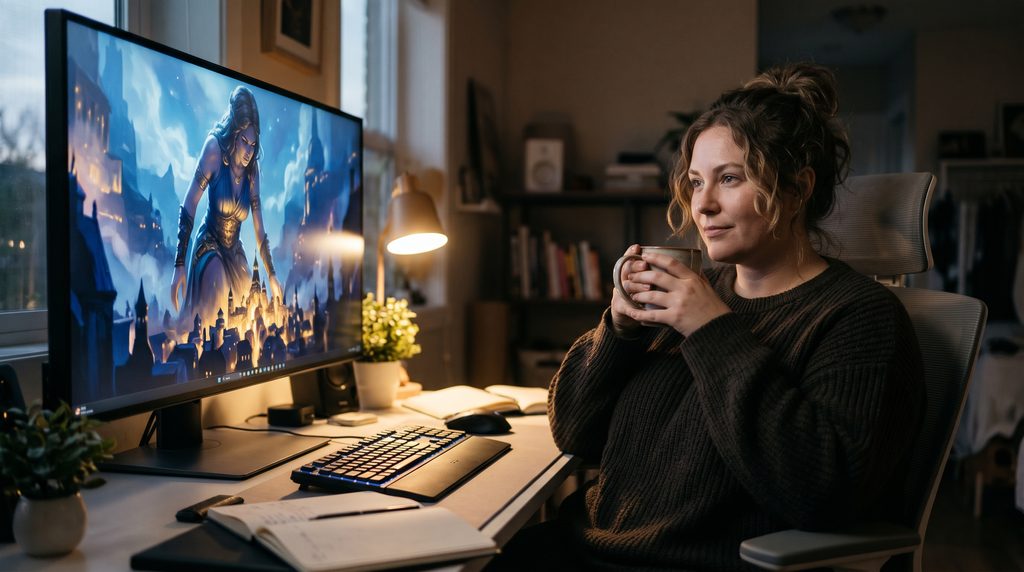
If that is exhausting enough from the perspective of running a creative platform, imagine what it feels like for the women standing directly in the spotlight. Being overwhelmed daily by the intimate daydreams of complete strangers—without anyone ever asking how they are doing or whether they even want to read it—lacks basic boundaries and is simply hurtful. It sends an unmistakable message: „You as a person don’t matter here—only your body and what my imagination does with it.“
The Difference Between Admiration and Objectification
There is nothing wrong with being captivated by tall, full-figured, or statuesque women. Aesthetic appreciation, attraction, and personal tastes are entirely natural. The decisive difference lies in respect:
- Respectful fascination acknowledges personhood. It respects a „no,“ honours boundaries, and understands when professional, creative, or friendly conversation is appropriate—and when personal fantasies must stay private.
- Blatant objectification completely ignores the individual. It strips a person down to measurements, centimetres, or body parts, bombards them with intrusive messages, and expects them to perform a niche role on demand.
When women who share content or step into the public eye are treated as living props, it erodes the very trust that allows creative communities to exist in the first place.
Why Genuine Confidence Demands Genuine Respect
Women who own their curves, height, and commanding presence with pride deserve authentic respect—not unsolicited demands, cross-examinations, or an invasive state of siege. Embracing your individuality rather than conforming to rigid societal moulds takes confidence and character.
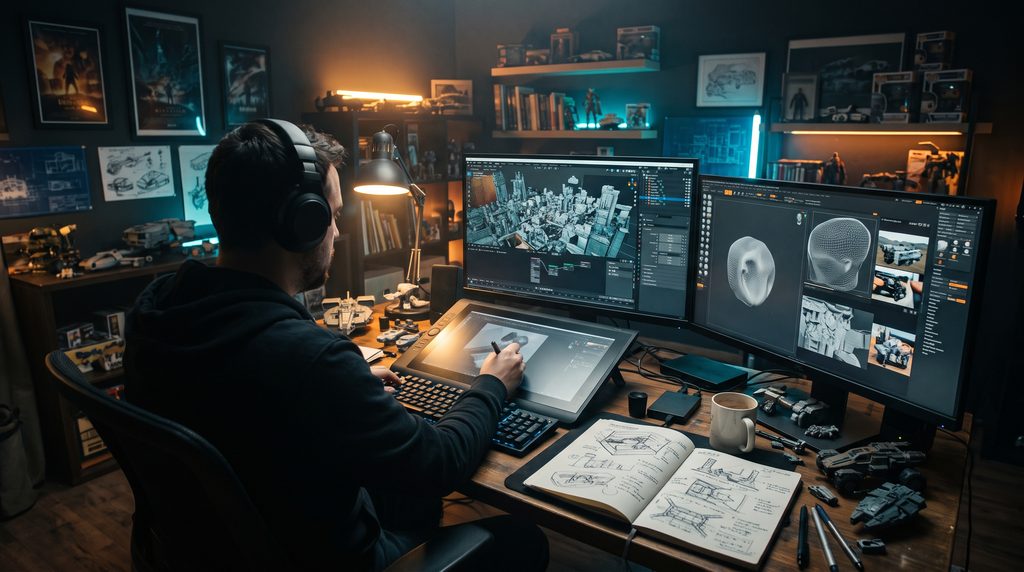
As creators, artists, and enthusiasts within this genre, the responsibility falls on us to know the difference: enjoy the stories, support the art, dive into the games and renders. But whenever you interact with real people—whether they are creators, acquaintances, or peers—never forget:
The fantasy belongs on the screen. The respect belongs in the real world.